We found out that reggae music differs in instrumentation with other types of music.
Reggae music, is often very simple. Sometimes a whole song will have no more than one or two chords, and because of these simple repetitive chord structures add to reggae's sometimes hypnotic effects.
Reggae music is mostly played with these musical instruments:
Drums a

nd Percussions
A standard drum kit is generally used in reggae, but the snare drum is often tuned very high to give it timbale-type sound. An unusual characteristic of reggae drumming is that the drum fills often do not end with a climatic cymbal. A wide range of other percussion instrumentation is used in reggae. Bongos are often used to play free, improvised patterns, with heavy use of African-style cross-rhythms.
Cowbells,
claves and
shakers tend to have more defined roles and a set pattern.
Bass

The bass guitar often plays a very dominant role in reggae, and the drum and bass is often called the “riddim” (rhythm).The central role of the bass can be particularly heard in
dub music, which gives an even bigger role to the drum and bass line, reducing the vocals and other instruments to peripheral roles.
Guitars

The rhythm guitar in reggae usually plays the chords on beats 2 and 4, a musical figure known as
skank or the 'bang'. It has a very dampened, short and scratchy chop sound, almost like a percussion instrument.
Keyboards

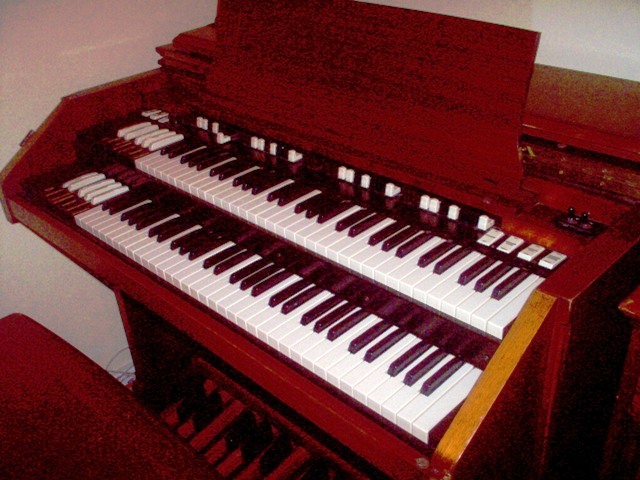
From the late 1960s through to the early 1980s, a piano was generally used in reggae to double the rhythm guitar's skank, playing the chords in a staccato style to add body, and playing occasional extra beats, runs and
riffs. The reggae-organ shuffle is unique to reggae, is typically a
Hammond organ.
Horns

Horns sections are frequently used in reggae, often playing introductions and counter-melodies. The instruments used in a horn section include saxophone, trumpet or trombone.
And at last but not least: The vocals.

The vocals in reggae are not a defining characteristic of the genre than the instrumentation and rhythm. We also find out that any song can be performed in a reggae style. Vocal harmony parts are often used either throughout the melody or as a counterpoint to the main vocal line.
We hope you found these things interesting as we did...